


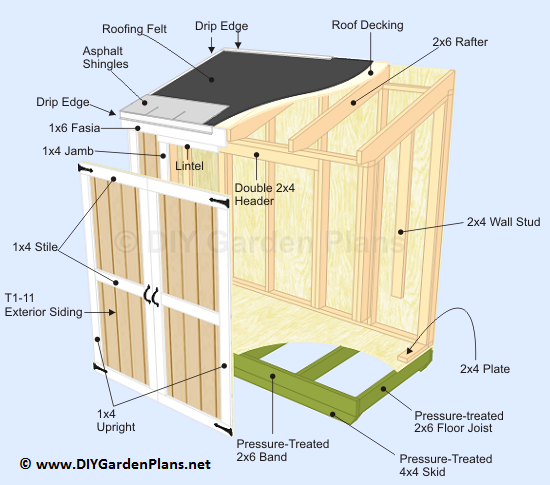
Constructing a 6x8 Lean-To Shed: A Comprehensive DIY Guide
This comprehensive guide provides detailed instructions for constructing a robust and aesthetically pleasing 6x8 lean-to shed. The project is designed for individuals with basic carpentry skills and access to common tools. While challenging, it is achievable with careful planning and execution. This guide prioritizes clarity and precision to ensure a successful build.
Phase 1: Planning and Preparation
Before commencing construction, meticulous planning is crucial for a smooth and efficient process. This phase involves several key steps:
Site Selection and Preparation
Site Selection: Choose a level location for your shed that is close to a power source and provides adequate access for material delivery and construction. Consider factors such as sunlight exposure, drainage, and proximity to existing structures. Ensure the chosen site complies with local building codes and regulations.
Site Preparation: Clear the chosen area of all vegetation, debris, and rocks. Level the ground using a shovel and rake, creating a perfectly flat foundation for your shed. You may need to add or remove soil to achieve a level surface.
Material Acquisition and Cutting List
Accurate material acquisition is paramount to avoid delays and unnecessary costs. Create a detailed cutting list based on the dimensions of your shed. The following materials are typically required:
- Pressure-treated lumber for the foundation, frame, and supports (4x4 posts, 2x4 and 2x6 studs, 2x4 rafters).
- Plywood or OSB sheathing for the walls and roof.
- Roofing material (e.g., asphalt shingles, metal roofing).
- Concrete blocks or piers for the foundation (if not using a concrete slab).
- Nails, screws, and other fasteners.
- Exterior-grade paint or sealant.
- Door and window frames (optional).
Note: Adjust quantities based on your specific design and material choices. It's advisable to purchase extra materials to account for potential waste or errors.
Tool Acquisition and Safety Considerations
Ensure you possess the necessary tools for the project. This includes a measuring tape, level, saw (circular saw and hand saw recommended), drill, hammer, screwdriver, post hole digger (if using posts), and safety glasses. Protective gear such as gloves, safety glasses, and hearing protection are essential for personal safety throughout the project.
Phase 2: Foundation Construction
A solid foundation is critical for the structural integrity of your shed. The chosen method will depend on local soil conditions and personal preference. Two common methods are described below:
Concrete Slab Foundation
This method provides the most stable foundation. It involves excavating a level area slightly larger than the shed's footprint. A formwork is then constructed and filled with concrete. Allow sufficient curing time before proceeding with framing.
Concrete Block or Pier Foundation
A more economical option, this method utilizes concrete blocks or piers set in the ground. Ensure the blocks or piers are level and adequately spaced to support the shed's weight. This method requires digging holes and placing the blocks accurately.
Phase 3: Framing the Shed
This phase focuses on constructing the framework of your shed, which forms the basis of the entire structure. Accuracy and precision are key to a stable and long-lasting shed.
Framing the Walls
Construct the side and back walls using 2x4 studs, spaced 16 inches apart. Use a level and plumb bob to ensure accurate verticality. Secure the studs to the foundation using appropriate fasteners.
Framing the Roof
For a lean-to shed, the roof will be angled against an existing structure. Construct rafters using 2x4 or 2x6 lumber, ensuring proper spacing and angle to ensure adequate support and water runoff. Secure the rafters to the back wall and supporting structure.
Phase 4: Sheathing and Roofing
Once the frame is complete, the next step involves sheathing the walls and roofing the structure.
Wall Sheathing
Apply plywood or OSB sheathing to the exterior walls, ensuring proper alignment and fastening. This provides a solid surface for siding or other exterior finishes. Use appropriate nails or screws.
Roof Sheathing
Cover the roof rafters with plywood or OSB sheathing, ensuring proper alignment and fastening. This creates a smooth surface for the roofing material.
Roofing Installation
Install the chosen roofing material according to the manufacturer's instructions. This typically involves laying underlayment, followed by the roofing shingles or metal sheets. Proper flashing around the edges is crucial to prevent water leaks.
Phase 5: Finishing Touches
The final phase involves adding finishing touches to enhance the shed's appearance and functionality.
Door and Window Installation (Optional)
If incorporating doors or windows, carefully measure and install them, ensuring proper sealing and weatherproofing. Use appropriate framing and weatherstripping.
Exterior Finishing
Apply exterior-grade paint or sealant to protect the wood from the elements. This will enhance the shed's longevity and aesthetics.
Interior Finishing (Optional)
Consider adding interior finishing touches such as insulation, shelving, or a work surface, depending on your intended use.
Disclaimer: This guide provides general instructions. Always consult local building codes and regulations before commencing construction. Seek professional assistance if you are unsure about any aspect of the project. Improper construction can lead to structural failure and potential injury.


No comments:
Post a Comment
Note: Only a member of this blog may post a comment.