


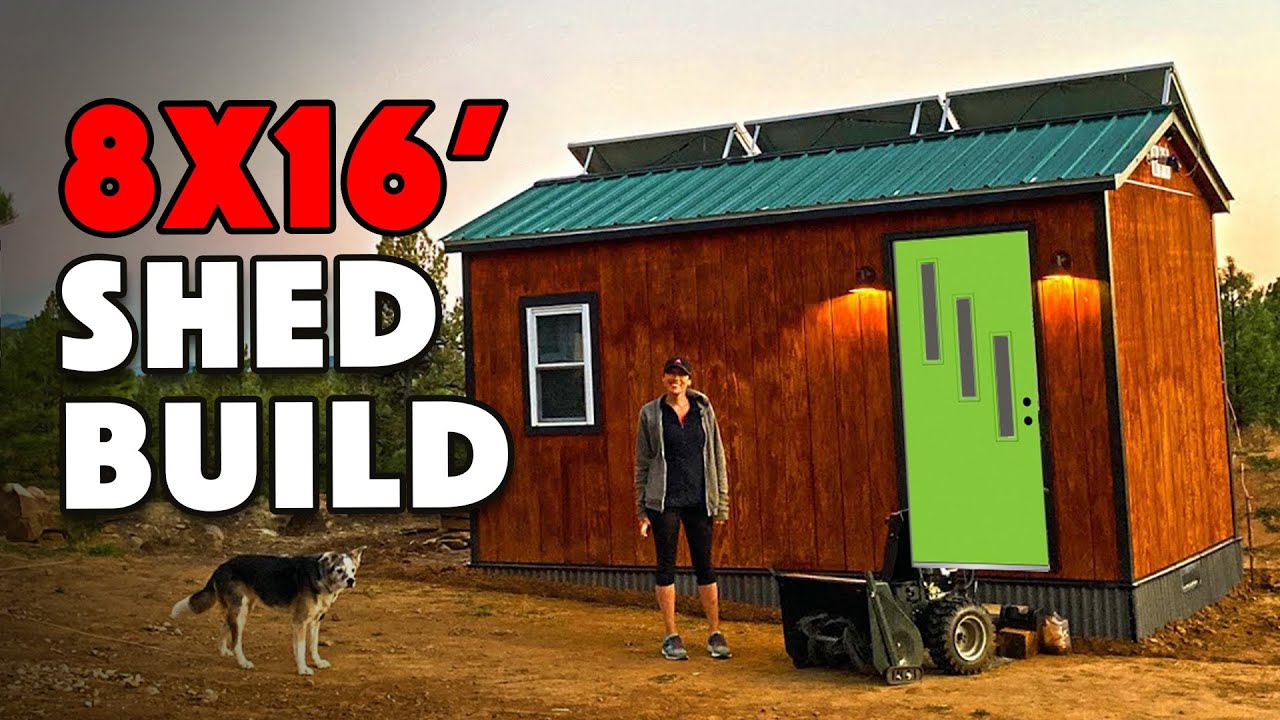
Building Your Dream 6x8 Shed: A Comprehensive Materials List
So, you're ready to build your own 6x8 shed? Awesome! That's a fantastic project that will give you a ton of satisfaction. But before you grab your hammer, let's talk about the essential materials you'll need. This isn't just a simple list â€" we're going deep dive into what you'll need, why you need it, and even some options to consider. Get ready, because this is going to be a bit of a journey!
The Foundation: Setting the Stage
Before you even think about the walls, you need a solid foundation. This is crucial for the longevity and stability of your shed. Choosing the right foundation depends on your soil conditions and local building codes, but here are some common options:
Concrete Slab
This is the most robust option, offering excellent stability and longevity. You'll need concrete (the amount depends on the slab's thickness â€" typically 4 inches), rebar for reinforcement, gravel for the base, and potentially forms to create the shape of your slab. Don't forget your concrete mixer (unless you're renting a ready-mix truck!), shovel, and trowel.
Gravel Base
A simpler, less expensive option, a gravel base involves laying down a compacted layer of gravel, often several inches thick. This works well in well-drained soil. You'll need a level, a tamper (to compact the gravel), and plenty of gravel itself.
Pressure-Treated Skids
For easy mobility or if you're working with less stable ground, pressure-treated lumber skids provide a good base. You'll need to measure and cut the skids appropriately and secure them together. You'll also need concrete anchors or spikes to secure them to the ground.
The Frame: Building the Bones
The frame is the backbone of your shed, so choosing the right lumber is critical. Pressure-treated lumber is a good choice for the bottom plates and sill plates to resist rot and insect damage. For the rest of the frame, regular construction-grade lumber is often sufficient. Here's what you'll need:
Lumber
You'll need several types of lumber:
- Pressure-treated 4x4s or 6x6s for the sill plates (the bottom horizontal beams). The size depends on your shed's size and local building codes.
- Pressure-treated 2x4s or 2x6s for the bottom plates, which sit on the sill plates.
- 2x4s or 2x6s for wall studs (the vertical beams). Spacing is usually 16 or 24 inches on center.
- 2x4s or 2x6s for roof rafters and trusses. The size and spacing depend on the roof's design and the local snow load.
- 2x6s or larger for the ridge board (the top horizontal beam of the roof).
Fasteners
Don't underestimate the importance of the right fasteners! You'll need:
- Galvanized nails (various sizes for different lumber thicknesses)
- Galvanized screws (for added strength in certain areas)
- Simpson Strong-Tie connectors (optional, but highly recommended for extra structural integrity, especially in corners and joints)
The Skin: Sheathing and Siding
This is where your shed starts to take shape! You'll need materials for sheathing (the structural layer) and siding (the outer layer). Your choices here largely depend on your budget and aesthetic preferences.
Sheathing
Common sheathing options include OSB (Oriented Strand Board) or plywood. These provide structural support and a base for the siding. Make sure to use the appropriate thickness and grade for your needs.
Siding
Here's where you can get creative! Options include:
- Vinyl siding (low maintenance, various colors)
- Metal siding (durable, long-lasting)
- Wood siding (classic look, requires more maintenance)
- Shiplap (stylish, rustic feel)
Remember to buy extra siding to account for cuts and potential mistakes.
Roofing: Keeping it Dry
A good roof is essential to protect your shed's contents. Choose a roofing material that suits your climate and budget.
Roofing Materials
Options include:
- Asphalt shingles (affordable, readily available)
- Metal roofing (durable, long-lasting, but more expensive)
- Rubber roofing (easy to install, good for flat roofs)
You'll also need roofing nails, underlayment (a waterproof layer under the roofing material), and flashing (to seal around chimneys, vents, and other protrusions).
Doors and Windows: Access and Light
Think about how you'll access your shed and whether you want any windows. You'll need:
Door
This can be a pre-made shed door or one you build yourself. Consider the size and material â€" wood, metal, or composite. Don't forget the door hinges, handle, and latch.
Windows (Optional)
If you want windows, consider the size, number, and style. You'll need the windows themselves, plus window trim, caulk, and fasteners.
Finishing Touches: The Details
Finally, don't forget these important finishing touches:
- Paint or stain (to protect the wood and enhance the look)
- Caulk (to seal gaps and prevent drafts)
- Hardware (hinges, handles, locks)
- Safety equipment (safety glasses, gloves, work boots)
Remember to check local building codes and permits before you start. It's also a good idea to sketch out a detailed plan before you start buying materials. Having a list like this is a great start, but always double-check your measurements and quantities before heading to the hardware store! Happy building!
Frequently Asked Questions (FAQs)
Q: How much will this project cost?
A: The cost varies greatly depending on the materials you choose. A basic shed can cost a few hundred dollars, while a more elaborate one with higher-quality materials could cost several thousand.
Q: What tools will I need?
A: You'll need a variety of tools, including a measuring tape, saw (circular saw, hand saw, etc.), hammer, level, drill, screwdriver, and potentially a nail gun. Specific tools will depend on your choice of materials and building methods.
Q: How long will it take to build?
A: The building time depends on your experience and the complexity of the shed. Expect to spend several days or even weeks, especially if it's your first time.
Q: Do I need a building permit?
A: Check with your local building department. Most areas require permits for structures of a certain size, especially if they are attached to your house or have electrical components.
Q: Can I build this shed by myself?
A: While possible, it's often helpful to have a friend or family member to help, especially with lifting heavy materials and for safety reasons.
Q: Where can I find more detailed plans?
A: There are many online resources, books, and even YouTube videos with detailed plans for building sheds. Look for plans specifically designed for a 6x8 shed.


No comments:
Post a Comment
Note: Only a member of this blog may post a comment.