


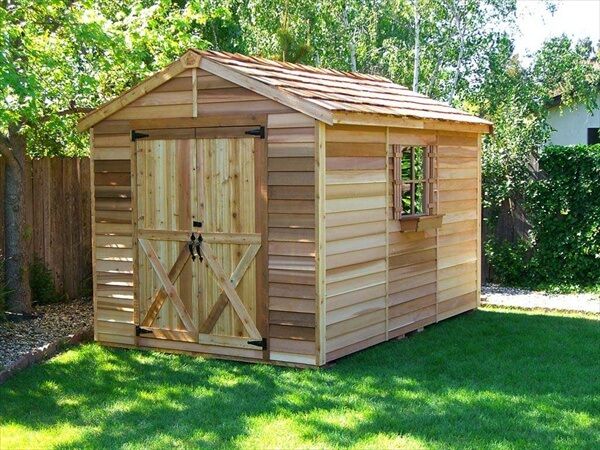
Build Your Own Durable Wooden Pallet Shed: A Step-by-Step Guide
Tired of clutter overflowing your garage or garden? A shed offers the perfect solution, but store-bought options can be expensive. This guide shows you how to construct a sturdy and attractive shed using reclaimed wooden pallets â€" a budget-friendly and eco-conscious alternative!
Planning Your Pallet Shed
Before you dive in, careful planning is key. Consider the size and location of your future shed. Measure the available space and determine the dimensions that best suit your needs and the surrounding environment. Think about the desired features: Will you need shelving? Ventilation? A door? Sketch a basic design to visualize the final product. Remember to check local building codes and regulations before beginning construction. You’ll need to source your pallets. Look for pallets that are sturdy, free of rot, and relatively clean. Inspect each pallet for damage before you start. A mix of different sizes might be unavoidable, so plan your design accordingly.
Choosing Your Pallets
Not all pallets are created equal. Prioritize pallets constructed from hardwood for increased durability. Inspect each pallet thoroughly for signs of rot, pest infestation, or significant damage. Clean the pallets with a wire brush to remove loose debris and dirt. This step improves the longevity and aesthetic appeal of your finished shed.
Materials and Tools
Gather the necessary materials and tools. Besides the pallets, you'll need construction-grade screws, a drill with appropriate bits, a level, a measuring tape, a saw (circular saw is recommended for easier cutting), safety glasses, work gloves, and possibly some additional lumber for reinforcement or specific features (like shelving or a door frame).
Essential Tool Checklist
- Circular Saw
- Drill with assorted drill bits
- Measuring Tape
- Level
- Safety Glasses
- Work Gloves
- Hammer
- Screwdriver (or impact driver)
Construction Steps
Begin by creating the foundation. You can use a concrete slab, compacted gravel, or even a sturdy wooden platform. Next, assemble the shed's walls using the pallets. Secure them together using screws, ensuring that the joints are tight and level. Pay attention to the orientation of the pallets â€" strategically placing the strongest parts to support weight. Build the roof frame, using additional lumber if necessary, to create a sturdy structure. Finally, cover the roof with plywood or other appropriate roofing material. Consider adding a simple door and windows to complete the build.
Building the Frame
Start with the base. Securely fasten pallets together to form the shed’s walls, ensuring vertical alignment using a level at every stage. Use longer screws for added stability and consider adding bracing to strengthen the corners. Build the frame, remembering that the roof structure must be able to support the weight of roofing materials. Add cross-beams for extra support.
Adding the Roof
Construct the roof frame using additional lumber to create a sturdy structure. Attach the chosen roofing material securely. Options include plywood sheeting covered with roofing felt or even repurposed corrugated metal sheeting for a more rustic look.
Finishing Touches
Once the structure is complete, consider adding a coat of weather-resistant sealant or paint to protect the wood and enhance the shed's appearance. This step extends the life of your shed and gives it a professional finish. You can customize the shed further by adding a door, windows, or even shelving inside. Enjoy your new, functional, and attractive pallet shed!
Disclaimer: Always prioritize safety when working with tools and building materials. Consult a professional if you're unsure about any aspect of the construction process.


No comments:
Post a Comment
Note: Only a member of this blog may post a comment.