


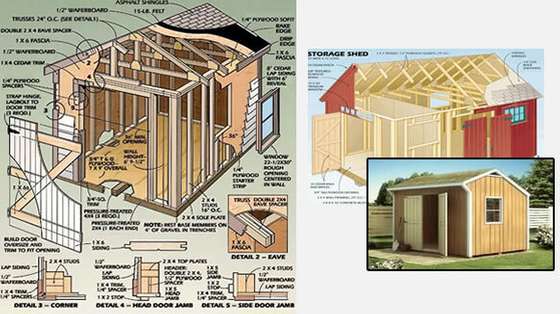
Building Your Dream 8x12 Shed: A Step-by-Step Guide
Hey there, fellow DIYers! So you're thinking about building an 8x12 shed? Fantastic! It's a hugely rewarding project, and I'm here to walk you through it, step by step. Don't worry if you're a beginner â€" we'll keep things simple and straightforward. Grab your coffee (or tea!), and let's get started!Planning & Preparation: Laying the Foundation for Success
Before we even think about hammering a nail, we need a solid plan. This isn't rocket science, but a bit of prep work will save you headaches down the line.1. Choosing Your Location:
First things first: where will your shed live? Consider things like access (easy delivery of materials!), sunlight (for ventilation and drying), and proximity to your house (for easy access to your tools and supplies). Check your local building codes â€" some areas have specific regulations regarding shed placement.
2. Gathering Your Materials:
This is where having a detailed list comes in handy. I'll provide a comprehensive list later, but now's the time to check local lumber yards and compare prices. Consider buying pressure-treated lumber for the foundation and floor joists to ensure longevity and resistance to rot and insects. Don’t forget the smaller stuff like nails, screws, and hardware â€" these can quickly add up if you don't plan ahead!
3. Leveling the Ground:
A level foundation is crucial for a stable shed. Use a shovel and rake to clear the area, then use stakes and string to mark out the dimensions of your 8x12 shed. Carefully level the ground using a spirit level and adjust as needed with topsoil or gravel. This might require renting some compacting equipment depending on your soil conditions.
Building the Foundation: A Solid Base
Now for the real work! We’ll be constructing a simple, yet robust, concrete slab foundation. You could opt for a gravel base, but concrete is more durable in the long run.
1. Formwork:
Create a frame using pressure-treated lumber to contain the concrete. This frame should be slightly larger than your shed's dimensions to account for the thickness of the concrete. Use stakes and string to ensure the frame is perfectly square and level.
2. Pouring the Concrete:
This is where you might want to enlist a friend! Mixing and pouring concrete can be physically demanding. Follow the instructions on your concrete mix bag carefully. Make sure to vibrate the concrete to remove air pockets and ensure a solid, even surface. Let it cure for at least 24 hours before proceeding.
Framing the Walls: The Shed's Skeleton
Time to build the walls! This is where the 8x12 dimensions really come into play. Accurate measurements are critical here.
1. Cutting the Lumber:
Following your pre-calculated dimensions, cut the lumber for the wall studs, plates (top and bottom), and headers (for doors and windows). Use a saw â€" a circular saw is ideal for speed and accuracy.
2. Assembling the Wall Frames:
Construct each wall frame individually on the ground. This makes it much easier to handle than trying to assemble them in place. Remember to use appropriate fasteners â€" framing nails or screws are recommended.
3. Erecting the Walls:
Carefully lift and place the wall frames onto the concrete foundation. Secure them temporarily using bracing until the rest of the frame is up. You may want a helper or two here!
Building the Roof: Shelter from the Storm
Now for the roof â€" we'll be building a simple gable roof (the classic triangular shape).
1. Roof Trusses or Rafters:
This is where you have a choice: pre-fabricated roof trusses are the easiest option, while building your own rafters requires a bit more carpentry skill. If you're using rafters, you'll need to calculate the correct angles and lengths.
2. Installing the Roof Trusses/Rafters:
Carefully lift the trusses/rafters onto the top plates of the walls, ensuring they're properly spaced and aligned. Secure them firmly.
3. Sheathing the Roof:
Apply plywood sheathing to the roof trusses/rafters, ensuring a weathertight seal. Use appropriate nails or screws.
Finishing Touches: Adding the Details
We're in the home stretch! Let's add those final finishing touches that make your shed truly shine.
1. Installing Doors and Windows:
Install your doors and windows, ensuring proper sealing to prevent drafts and moisture.
2. Roofing:
Apply your chosen roofing material â€" asphalt shingles are a popular and relatively inexpensive choice. Follow the manufacturer's instructions carefully.
3. Siding:
Finally, add your siding. This can be anything from simple plywood to more decorative options like vinyl or metal siding. You could even add some paint for a splash of color!
Materials List (Approximate Quantities â€" Adjust Based on Your Needs)
- Pressure-treated lumber for foundation (4x4s and 2x4s)
- Concrete mix
- Framing lumber (2x4s and 2x6s)
- Plywood for sheathing (walls and roof)
- Roofing materials (shingles, felt)
- Siding materials
- Doors and windows
- Nails, screws, and other hardware
- Optional: Paint, stain, sealant
Commonly Asked Questions
Q: Do I need a building permit?
A: It depends on your local building codes. Check with your local authorities to be sure.
Q: How long will this project take?
A: This depends on your experience level and the weather. Expect to spend several weekends, perhaps longer for a complete novice.
Q: Can I do this alone?
A: While possible, having a helper will make many tasks much easier and safer. Especially the concrete pouring and erecting the walls.
Q: What tools will I need?
A: A basic set of carpentry tools, including a hammer, saw (circular saw recommended), measuring tape, level, shovel, and possibly a concrete mixer. You may need to rent some heavier equipment.
Q: What if I make a mistake?
A: Don't worry, everyone makes mistakes! Take your time, double-check your measurements, and don't be afraid to ask for help. Most mistakes are fixable!
There you have it! Building an 8x12 shed is a challenging but rewarding project. Remember to prioritize safety and take your time. With careful planning and execution, you’ll be enjoying your new shed in no time. Good luck, and happy building!


No comments:
Post a Comment
Note: Only a member of this blog may post a comment.